M - F: 7:30AM - 6:00PM | Saturday: 8:00AM - 4:00PM | Sunday: Closed
509 East NASA Boulevard, Melbourne, FL 32901
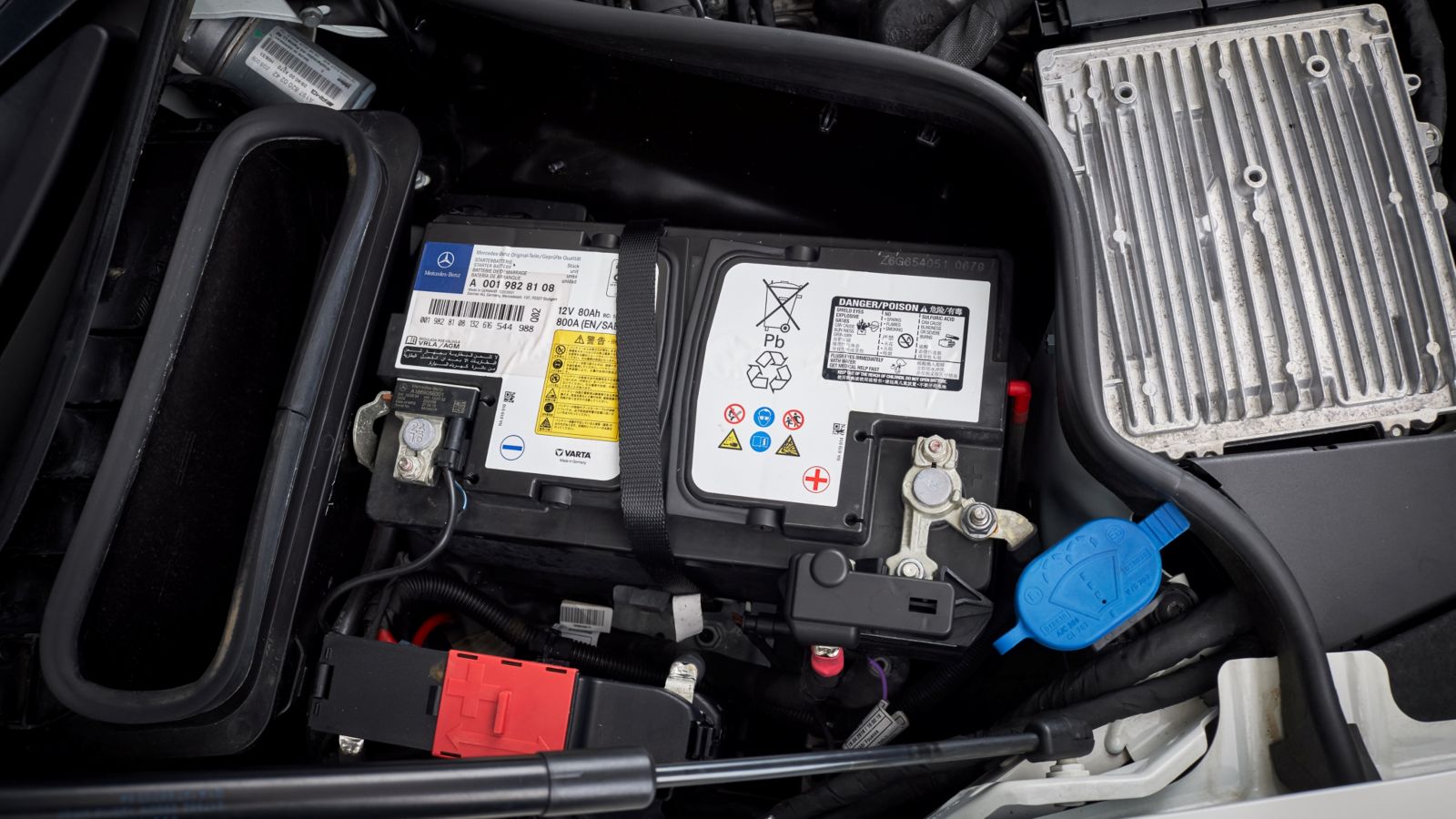
Florida heat and humidity are tough on batteries, especially when your driving is mostly short runs with lots of starts. You might notice it first as a slightly slower crank after a few short runs off US 192, or after the car sits for a few days. That small change is worth paying attention to, because batteries tend to give subtle warnings before they fail outright.
Book Mercedes-Benz battery service and get a clear answer on battery health.
Battery life depends on how the vehicle is driven, how often it sits, and how much electrical demand the system sees day to day. Florida heat can accelerate battery wear over time, so it makes sense to treat battery health as something you check and stay ahead of, not something you think about only after a problem shows up.
Driving patterns matter. If most of your trips are short and the vehicle spends plenty of time parked between them, the battery may not get the same recharge opportunity as it would with longer highway runs. Add real-world electrical demand, climate control, lighting, and infotainment, and the battery can be asked to do a lot even on low-mileage weeks. If you are not sure where your Mercedes-Benz battery stands right now, a simple battery test is the cleanest starting point.
Most battery issues start small. Pay attention to changes that are easy to dismiss, like a slower start, dimming lights at startup, or accessories that take a beat longer to come online.
A few common patterns show up around Melbourne and nearby areas like Viera and Palm Bay. One is the car starting fine all week, then feeling sluggish after it sits over a weekend. Another is the start feeling slightly less confident after repeated short drives, especially when traffic and stoplights keep the engine cycling on and off more than usual. If you notice a slow crank, inconsistent starting behavior, or anything that feels off during startup, it is worth scheduling testing rather than waiting for the day it does not start at all.
That small shift is easy to shrug off until you’re running late and the start is suddenly not there.
During battery service, the team tests the battery, checks terminal condition, and confirms whether you’re looking at simple cleanup, a weak battery, or something else. That matters because modern Mercedes-Benz electrical systems are sensitive to voltage and battery performance, and the right fix depends on what the vehicle is actually doing.
Battery testing focuses on the battery’s ability to hold a charge and deliver power when the vehicle needs it. Connections matter too. Corrosion or resistance at the terminals can create symptoms that look like battery failure, even when the battery itself is not the main issue. If replacement is needed, the correct battery type and specification matter. A Mercedes-Benz battery replacement should match your model’s electrical requirements, not just fit in the tray. If the concern is repeat low charge behavior, it is reasonable to ask about charging performance and whether anything is drawing power while parked. The goal is to solve the problem, not chase it.
Not every battery concern requires a Mercedes-Benz battery replacement. Sometimes the battery is still healthy, but the connections need attention. Other times the battery has aged to the point where it cannot reliably deliver the power your vehicle expects, especially after sitting for a few days or after repeated short trips.
Testing is what separates replace now from you’re fine from address the connection issue. If corrosion is present at the terminals, cleaning and securing the connection can restore consistency. If the battery tests weak, replacement is the more dependable choice, particularly if you have already noticed slow starts. If you want to avoid unnecessary replacement, start with testing. It removes the guesswork and gives you a clear direction.
The fastest way to drain a Mercedes-Benz battery is a driving pattern that does not fully recharge it. Multiple short trips, frequent starts, and long idle periods can all contribute. High accessory use can add demand as well, especially when combined with short drives where the battery never gets much recharge time.
Sitting can be its own factor. Even when parked, many modern vehicles continue to run background systems. If the battery is already aging, a few days of sitting can make the next start noticeably slower. If you are noticing the car struggles after sitting, or if a battery was replaced and the symptoms returned, that is the point where testing and a deeper electrical check are worth doing.
Mercedes-Benz battery replacement cost varies by model, battery type, and the electrical requirements of your vehicle. Different Mercedes-Benz models can use different battery specifications and capacities, and labor time can vary depending on the vehicle’s configuration.
The cleanest way to get clarity is to request an estimate tied to your model and VIN. That keeps the conversation grounded in the right parts and the right procedure for your Mercedes-Benz, rather than broad averages.
Schedule battery service and request a model-specific estimate for replacement if needed.
Battery concerns are easier to solve when you catch them early. If you notice any of the signals below, schedule testing and let the results guide the next step.
If you are timing service around a busy week, it is worth checking current offers before you schedule. When a special aligns with what your Mercedes-Benz needs, it can be a smart opportunity.
If dropping the vehicle off is the biggest obstacle, pickup and delivery may be an option depending on availability and location. That can help when your schedule is split across Melbourne and nearby areas like Palm Bay, especially on weeks where I-95 traffic turns a simple errand into a longer block of time.
If your week is packed, pickup and delivery can be a clean way to handle battery service without burning half a day.
Schedule battery service and choose a time that fits. If convenience matters, review pickup and delivery options.
